About Us
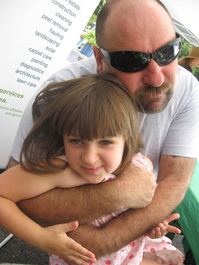
Mark and Maggie
SunClean Carpet Care is a family run business based out of Alameda. CA.
Our business was inspired by events that happened when my wife Chris was pregnant with our daughter Maggie in 2004.
While getting the house ready for Maggie's imminent arrival, I rented a carpet machine to clean the carpets. After I finished, I placed the bottle of unused carpet solution in my trunk. A day or so later, I noticed some strange symptoms: blurred vision, tingling in my hands, hand tremers and nausea. I was concerned enough that I set up an appointment with my doctor to see what it could be. A few days later I opened my trunk and discovered the container of cleaning solution had spilled out. I had been breathing the fumes of the carpet cleaner in the enclosed space for three days. Aha! I thought; that explains my symptoms! What exactly was in that bottle anyway?! I cleaned my car trunk and aired it out, and my symptoms disappeared completely.
Deciding to re-clean out carpets, I found a product put out by Bi-o-kleen that was everything I was looking for in an organic carpet cleaning solution. The product was made of natural botanicals, and smelled light and natural, not chemically. When I finished cleaning the carpets, not only did the carpet look and smell great, but the fibers felt softer than they had ever felt before.
After months of exploration, I also found that extremely toxic chemicals are used as the primary solvents in most carpet cleaning solutions, and have been for decades. My wife Chris and I felt there was a place for an organic carpet cleaning service in our community so we founded SunClean Carpet Care. We are now in our thirteenth year doing a job we love and we feel is a real service to the community.
Best,
Mark Spiegel
SunClean Carpet Care
Alameda, CA
Our business was inspired by events that happened when my wife Chris was pregnant with our daughter Maggie in 2004.
While getting the house ready for Maggie's imminent arrival, I rented a carpet machine to clean the carpets. After I finished, I placed the bottle of unused carpet solution in my trunk. A day or so later, I noticed some strange symptoms: blurred vision, tingling in my hands, hand tremers and nausea. I was concerned enough that I set up an appointment with my doctor to see what it could be. A few days later I opened my trunk and discovered the container of cleaning solution had spilled out. I had been breathing the fumes of the carpet cleaner in the enclosed space for three days. Aha! I thought; that explains my symptoms! What exactly was in that bottle anyway?! I cleaned my car trunk and aired it out, and my symptoms disappeared completely.
Deciding to re-clean out carpets, I found a product put out by Bi-o-kleen that was everything I was looking for in an organic carpet cleaning solution. The product was made of natural botanicals, and smelled light and natural, not chemically. When I finished cleaning the carpets, not only did the carpet look and smell great, but the fibers felt softer than they had ever felt before.
After months of exploration, I also found that extremely toxic chemicals are used as the primary solvents in most carpet cleaning solutions, and have been for decades. My wife Chris and I felt there was a place for an organic carpet cleaning service in our community so we founded SunClean Carpet Care. We are now in our thirteenth year doing a job we love and we feel is a real service to the community.
Best,
Mark Spiegel
SunClean Carpet Care
Alameda, CA